When the grid is still years away
Extending the national grid to every settlement is slow and expensive work. A solar mini-grid is a self-contained alternative: generation, storage and a small distribution network serving one community, built to the same engineering standards as grid infrastructure.
How a mini-grid is put together
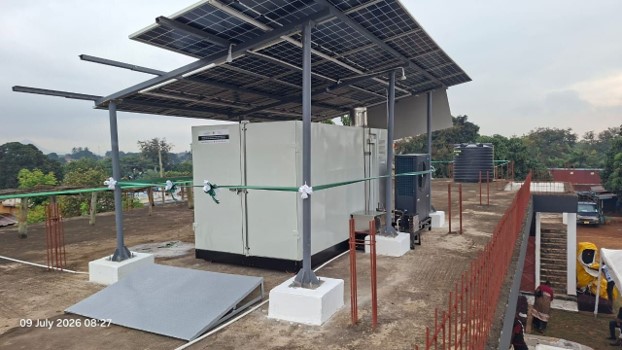
A solar array charges a battery bank during the day. An inverter converts that stored energy to AC, and a low voltage distribution network carries it to homes, shops, schools and health facilities. Metering sits at each connection so consumption is measured and billed properly.
Sizing it correctly
The hardest part is not the hardware — it is the demand study. Undersize the system and the community loses power in the evening peak. Oversize it and the tariff has to cover capacity nobody uses. We survey existing energy spending, planned productive uses such as milling or refrigeration, and expected growth before settling on a design.
Productive use is what makes it work
A mini-grid serving only lighting and phone charging rarely sustains itself. The systems that endure are the ones where businesses connect: workshops, cold storage, water pumping, agro-processing. Daytime commercial load matches solar generation and spreads the fixed cost across more units sold.
Operation and maintenance
Someone has to be responsible for the site after commissioning. Local technicians are trained and equipped for routine work, with escalation to our engineering team for anything beyond scheduled maintenance. Spare parts are held regionally rather than centrally so downtime stays short.